Reflections for Biodiversity Researchers Engaging With Policy-Science Interfaces
Continue reading New PublicationCategory Archives: Biodiversity
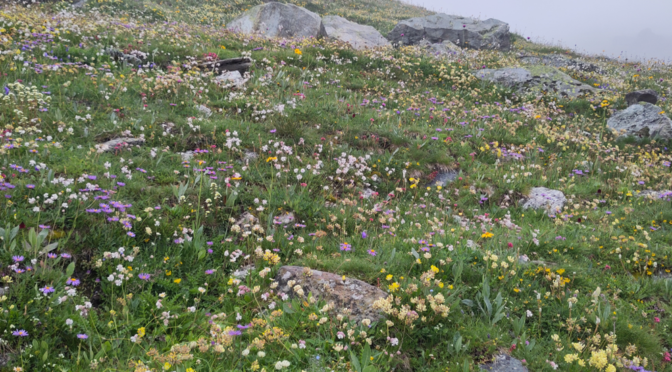
How Alpine Plants use Chemicals for Communication and Why this can be relevant for Conservation
Response Doctoral Program
Most insects that interact with plants have preferences for certain chemical components in the material they consume. In the case of insect herbivores and pollinators, both groups often need specific nutrients, or the avoidance of compounds that are toxic for them. As a consequence, they have evolved preferences or aversions to specific plant compounds, which guide their foraging for food sources.
Continue reading How Alpine Plants use Chemicals for Communication and Why this can be relevant for ConservationHow Alpine Plants use Chemicals for Communication and Why this can be relevant for Conservation
Response Doctoral Program
Most insects that interact with plants have preferences for certain chemical components in the material they consume. In the case of insect herbivores and pollinators, both groups often need specific nutrients, or the avoidance of compounds that are toxic for them. As a consequence, they have evolved preferences or aversions to specific plant compounds, which guide their foraging for food sources.
Continue reading How Alpine Plants use Chemicals for Communication and Why this can be relevant for Conservation
Translating science into action and engage in biodiversity policy-making
In view of biodiversity loss, it is important that early-career researchers get involved not only in science but also contribute to biodiversity policy. The Blue-Green Biodiversity research initiative of Eawag and WSL organised a workshop to facilitate cooperation between science, practice and politics.
Continue reading Translating science into action and engage in biodiversity policy-making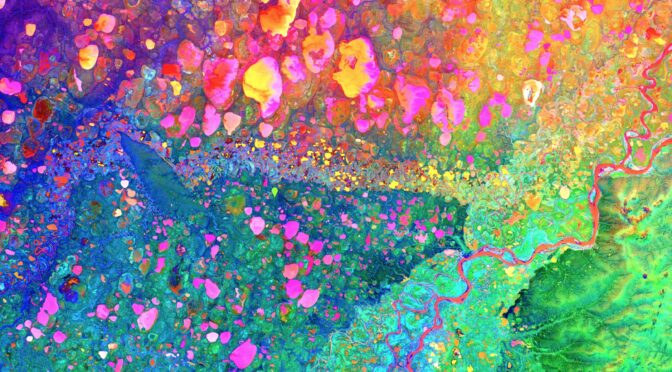
Landscape Diversity Begets Landscape Functioning -Relevance for policy implementation
Response Doctoral Program
It is that range of biodiversity that we must care for – the whole thing – rather than just one or two stars. – David Attenborough
When we think about ecological diversity, our minds often jump to different species of plants and animals. But what if there is more to this story? Diversity extends beyond genes, plants, and animals—it is also about the variety of ecosystems in the landscapes around us (Fig. 1). Imagine a patchwork quilt of croplands, forests, grasslands, wetlands and meadows. Could this mosaic be the key to a healthier, more resilient environment? Do these diverse ecosystems, working together, contribute to the overall balance of our landscapes on a grander scale?
Continue reading Landscape Diversity Begets Landscape Functioning -Relevance for policy implementation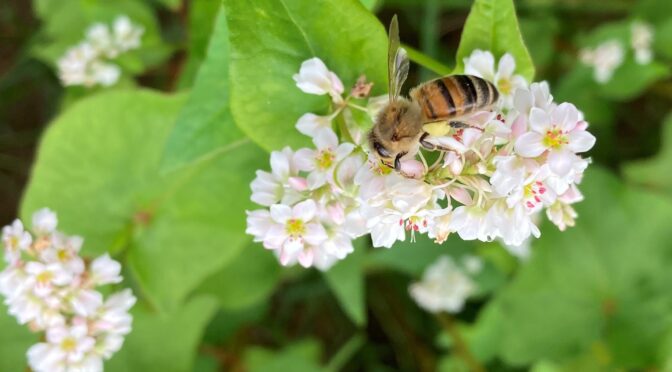
Buchweizen als wertvolle Pflanze auf dem Feld – SRF Radiosendung
Response Doctoral Program
Warum wird in der Schweiz so wenig Buchweizen angebaut? SRF-1-Foodexpertin Esther Kern hat sich darüber in der Sendung «À point – Wissen aus der Küche auf den Punkt gebracht» mit RESPONSE Fellow Fabian Hess unterhalten. Als Doktorand an der ETH untersucht er über hundert Buchweizen-Sorten für den Anbau in der Schweiz.
Continue reading Buchweizen als wertvolle Pflanze auf dem Feld – SRF Radiosendung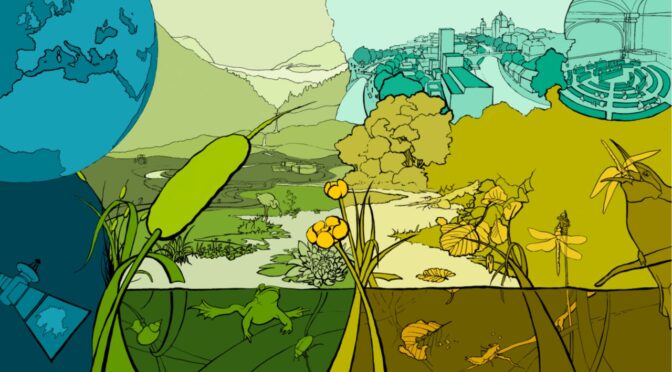
New Course Offer – Capacity Building Workshop on Effective Science-Policy Collaboration in Biodiversity Management
Are you interested in biodiversity management and conservation at the global, national, cantonal, and municipal level? Are you interested in how integrating scientific research results into the decision-making process and engaging at the science and policy interface successfully? If yes, join our upcoming science and policy workshop.
Continue reading New Course Offer – Capacity Building Workshop on Effective Science-Policy Collaboration in Biodiversity Management
PSC-Mercator Fellowships: Science for Environment Policy’ News Alert
The European Commission has covered ‘The costs of diversity: higher prices for more diverse grassland seed mixtures’ in their recent ‘Science for Environment Policy’ News Alert. A paper of former PSC-Mercator fellow Sergio Schaub.
Die ökologischen und ökonomischen Konsequenzen des Klimawandels in den Alpen
Maria Vorkauf, Universität Basel
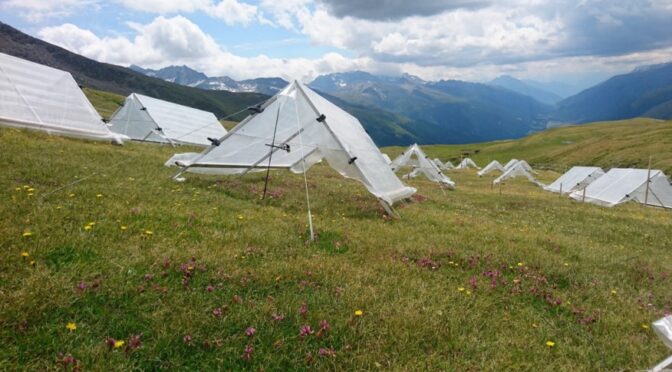
Oberhalb der natürlichen Baumgrenze schreitet der Klimawandel besonders schnell voran. Wie schnell zeigen die Ergebnisse meiner Forschungsarbeit: Zwischen den Jahren 1985 und 2019 rückte das Datum der Schneeschmelze mit 2.8 Tagen pro Jahrzehnt vor und mit ungebremsten Treibhausgasemissionen wird sich dieser Prozess beschleunigen. Bis zum Ende des 21. Jahrhunderts wird die Vegetationsperiode für alpine Pflanzen rund einen Monat früher beginnen.
Welche ökonomischen Folgen hat der Klimawandel?
Aufgrund der Klimaszenarien für die Schweiz habe ich für das Skigebiet «Andermatt+Sedrun+Disentis» analysiert, wie sich die Verfügbarkeit von Schnee während des 21. Jahrhunderts verändern wird. Ein besonderer Fokus lag auf der Menge an Wasser, die das Skigebiet in Zukunft aufwenden muss, um rentabel zu bleiben.
Continue reading Die ökologischen und ökonomischen Konsequenzen des Klimawandels in den Alpen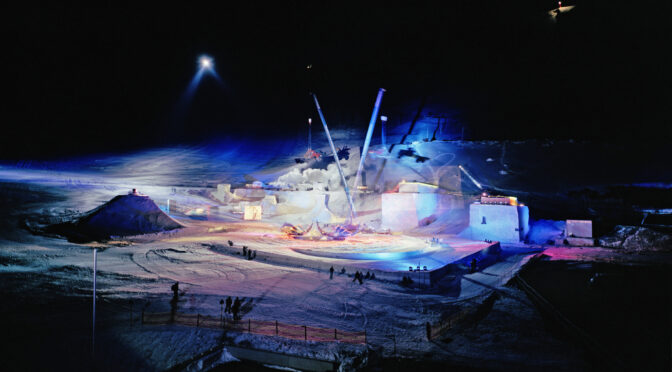
Wie werden sich die Skigebiete in der Schweiz in der Zukunft entwickeln?
Das Zurich-Basel Plant Science Center veranstaltete einen öffentlichen „Round Table“ am 03.02.2021. Zusammen mit Maria Vorkauf, Fellow im PSC-Mercator Doktoratsprogramm.
Aufgrund des Klimawandels ist generell mit steigenden Temperaturen, mehr Niederschlag im Winter, weniger im Sommer und weniger Neuschneetagen im Flachland und in den Alpen zu rechnen. Bei ungebremsten Emissionen wird bis zum Ende des Jahrhunderts in tieferen Lagen (unter 1800-2000 m.M) die Schneesichherheit nicht mehr gegeben sein.
Zusammenfassung der Diskussionen.