When ETH Alumni Chapter Shanghai asked me to be their speaker, I did not hesitate to say yes. It has been almost 15 years since my scholarship at ETH, and I still remember the interesting and amazing work at the Institute of Energy Technology, where I spent one year researching the differences in energy technology between Swiss and Chinese power plants. Afterwards I joined North China Electric Power University as a Professor at the School of Energy and Power Engineering. One area of my research is efficient denitrification technology for power plants.
Reducing Air Pollution in China
by Jun Ma, 20 February 2020

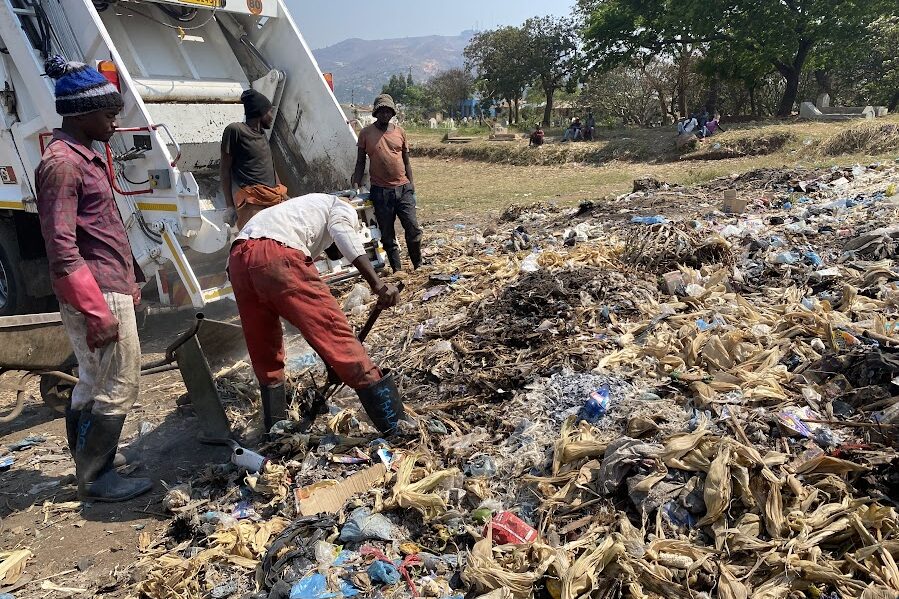
Air pollution. Image: Jun Ma
Swissnex and ETH Alumni Chapter Shanghai hosted Dr Li yonghua, a former visiting scholar at ETH, who analysed energy consumption in China and ways to reduce it.
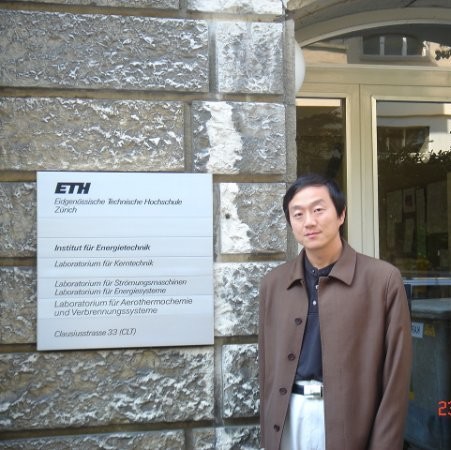
Dr Li yonghua at the front of institute of energy technology. Image: Jun Ma
In Switzerland, energy is generated by water and nuclear or other clean sources. But in China, industrialization combined with the extensive use of primary energy such as coal, has damaged the environment and polluted the air. The Chinese government recognizes the importance of environmental protection, and has issued strict environmental protection policies and regulations, starting with coal-fired power plants. A series of advanced technologies are to be adopted to control pollution emissions.
At my institute, colleagues and I have developed some technologies, including low pollution combustion, flue gas pollutant removal, and pollution near zero emission technology. Developing them is one thing, but these technologies need the support of users.
Over the last few years I have visited over 50 power plants, traveling to all of the Chinese provinces and even abroad. I find technology promotion more difficult than university research, because you have to explain the technology to users, comparing advantages with other technologies in a way they can understand and accept.
Our technology has the advantage of high pollution control efficiency, but it costs a lot. This is very hard to accept for most plants, even though they would have the budget. Unfortunately they often prefer the cheap and short-term solution. That is quite different from Swiss or other western European plants, where they focus on quality and long-term goals. In China, it takes me a lot of explanation to change minds, which can be a challenge.
The difficulty of successful communication reminds me of when I came to Zurich in 2004. I decided to learn German, and knew I had to take every opportunity to practice, to speak. At first progress was slow, then one day I could suddenly communicate with my Swiss colleagues. It’s been the same with technology promotion. After hard work, our technology has been successfully applied in four power plants. The results are excellent: pollution has been effectively controlled, bringing coal-fired flue gas emissions down to meet the emission standard of natural gas. That is better than what other countries have managed to do.
My next step is to get non-coal users, as well as other combustion processes, to adopt efficient pollution control technologies that will finally eliminate air pollution in China. That is my hope and my passion.
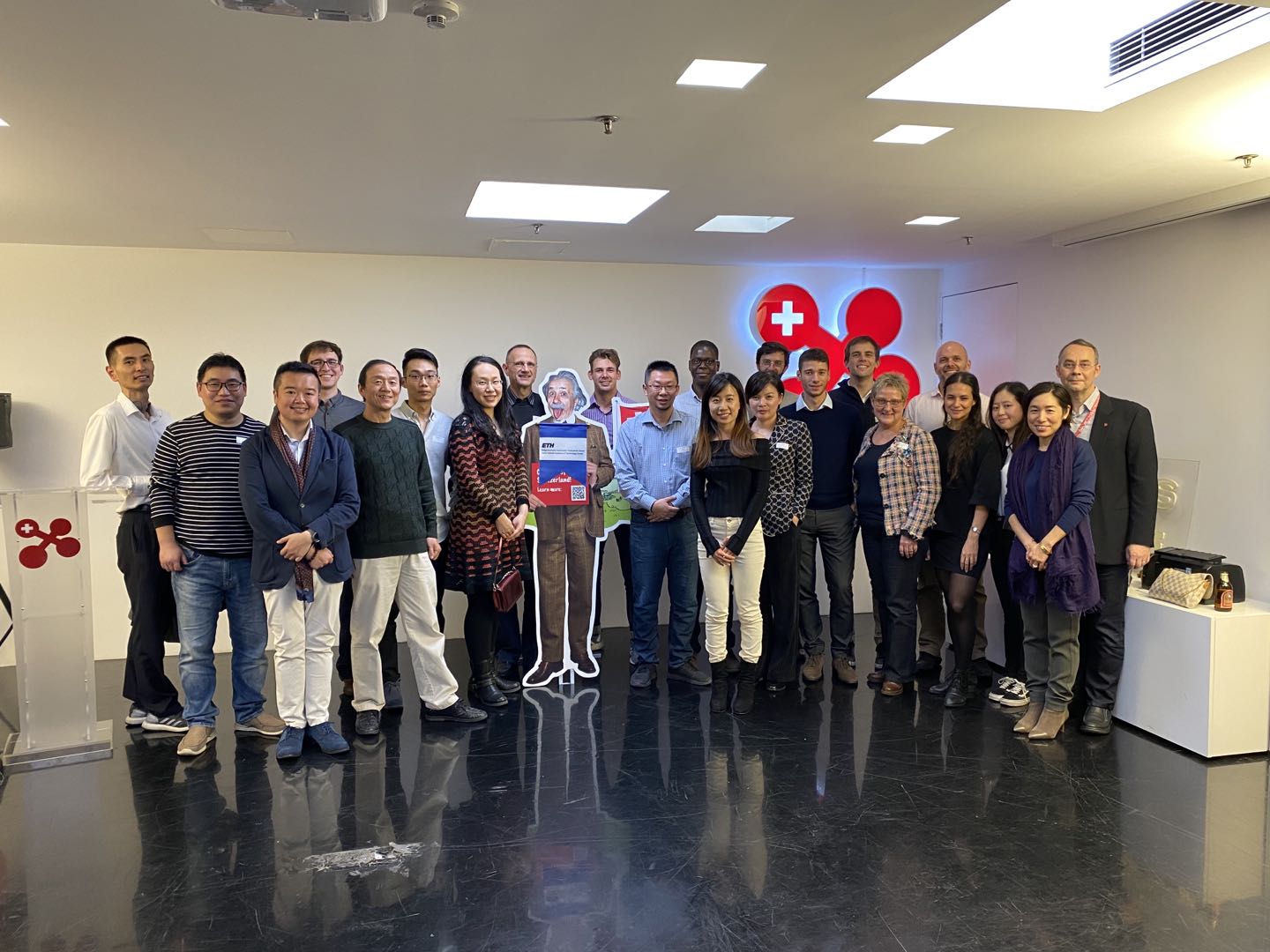
Group photo of ETH Alumni Chapter Shanghai. Image: Jun Ma

About the author
Jun Ma studied at the D-ITET of ETH Zurich from 1997-2003 and is board member of ETH Alumni Shanghai Chapter since 2019. He owns a start-up company in China.